
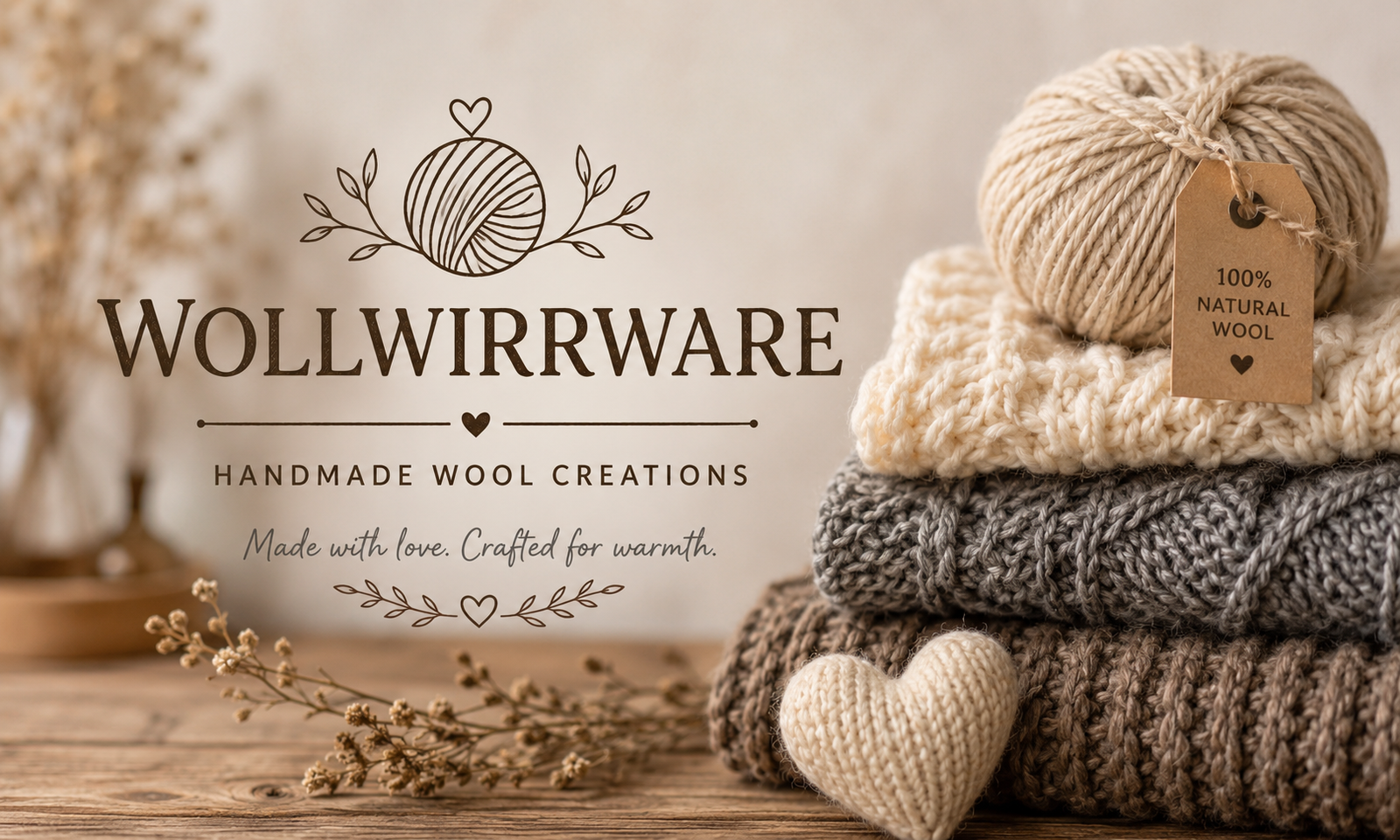
There is something quietly magical about holding a handmade wool item. The texture, the warmth, the story woven into every stitch — it feels personal in a way that mass-produced goods simply cannot replicate.
That is exactly what Wollwirrware is all about.
Wollwirrware — a term rooted in the German tradition of wool craftsmanship — represents a growing movement of artisans, hobbyists, and sustainable living advocates who are embracing handmade wool creations with renewed passion. Whether you are a seasoned knitter, a fiber arts enthusiast, or someone simply looking for meaningful, eco-conscious products, Wollwirrware has something truly special to offer.
In 2026, as consumers increasingly turn away from fast fashion and disposable goods, the world of wool fiber arts is having a powerful renaissance. And it is worth every bit of attention.
Table of Contents
- What Is Wollwirrware?
- The Art Behind Handmade Wool Creations
- Why Sustainable Wool Crafts Matter Today
- Popular Types of Wollwirrware Products
- How to Start Your Own Wool Craft Journey
- Key Takeaways
- FAQs
- Conclusion
What Is Wollwirrware?
Wollwirrware refers to the broader craft and culture of creating handmade objects from wool — ranging from clothing and accessories to home décor and artistic installations.
The word itself combines Wolle (wool) with Wirr (tangle or weave) and Ware (goods), painting a vivid picture of carefully crafted wool goods born from creative tangles of fiber.
This is not just a hobby. For many artisans, Wollwirrware is a livelihood, a philosophy, and a form of slow living — a deliberate pushback against the speed and impersonality of modern manufacturing.
Featured Snippet Answer: Wollwirrware is a craft-based movement centered on creating handmade wool products — including knitted garments, woven textiles, and fiber art. It emphasizes sustainable materials, artisan skill, and the cultural value of slow, intentional making. It is growing rapidly among eco-conscious consumers worldwide.
The Art Behind Handmade Wool Creations
Creating handmade wool creations is far more than following a pattern. It is a multi-layered skill that blends technique, creativity, and patience.
Core Techniques in Wool Fiber Arts
Artisans working within the Wollwirrware tradition typically master several key techniques:
- Knitting — Using needles to loop yarn into fabric, ideal for garments and accessories
- Crocheting — A single-hook method producing distinctive, flexible textures
- Felting — Matting wool fibers together using heat, moisture, or friction
- Weaving — Interlacing threads on a loom to create structured textile pieces
- Spinning — Transforming raw wool fleece into usable yarn from scratch
Each technique produces a different aesthetic. However, what unites them all is the human hand — and the irreplaceable imperfection that makes every Wollwirrware piece one-of-a-kind.
Why Sustainable Wool Crafts Matter Today
The conversation around sustainable wool crafts is louder than ever — and for good reason.
Wool is a natural, renewable, and biodegradable fiber. Unlike synthetic alternatives such as acrylic or polyester, wool does not shed microplastics into waterways. When responsibly sourced, it is one of the most eco-friendly materials available.
Quick Insights: Wool vs. Synthetic Fiber
| Feature | Natural Wool | Synthetic Yarn |
|---|---|---|
| Biodegradable | ✅ Yes | ❌ No |
| Microplastic-free | ✅ Yes | ❌ No |
| Renewable | ✅ Yes | ❌ No |
| Temperature-regulating | ✅ Yes | Limited |
| Supports local farmers | ✅ Often | ❌ Rarely |
Therefore, choosing artisan wool accessories or handcrafted wool goods is not just an aesthetic decision — it is an environmental one.
Popular Types of Wollwirrware Products
The world of Wollwirrware is wonderfully diverse. Here are some of the most beloved categories:
1. Knitted Wool Products
From chunky sweaters and cable-knit scarves to delicate lace shawls, knitted wool products remain the heart of the Wollwirrware tradition. They are warm, durable, and endlessly customizable.
2. Felted Home Décor
Wool felting has exploded in popularity. Artisans create everything from wall hangings and table runners to felted bowls and sculptural art pieces. These items bring natural warmth into any interior.
3. Handspun Yarn
For the deeply devoted, spinning your own yarn from raw fleece is the ultimate Wollwirrware experience. Handspun yarn carries unique irregularities that give finished pieces exceptional character.
4. Woven Textiles
Loom-woven wool blankets, tapestries, and cushion covers represent a more structured branch of wool fiber arts. They are increasingly sought after by interior designers and conscious consumers alike.
5. Artisan Wool Accessories
Hats, mittens, boot toppers, cowls — small artisan wool accessories make perfect sustainable gifts and are among the most accessible entry points for new crafters.
How to Start Your Own Wool Craft Journey
Feeling inspired? Getting started with Wollwirrware is more accessible than you might think.
Step 1: Choose your technique. Begin with knitting or crocheting — both have gentle learning curves and require minimal equipment.
Step 2: Source quality wool. Look for locally produced or ethically sourced wool. Merino, Shetland, and Bluefaced Leicester are excellent beginner-friendly options.
Step 3: Start small. A simple dishcloth, headband, or bookmark will teach you fundamentals without overwhelming you.
Step 4: Join a community. Local knitting circles, online Ravelry groups, and Wollwirrware-focused social media accounts offer support, patterns, and inspiration.
Step 5: Explore and experiment. Because the beauty of handmade wool creations lies in exploration — there are no mistakes, only variations.
Key Takeaways
- Wollwirrware is a craft movement celebrating handmade wool products rooted in skill, sustainability, and slow living.
- Wool is one of the most eco-friendly natural fibers available, making it a responsible choice for conscious consumers.
- Popular Wollwirrware categories include knitted garments, felted décor, woven textiles, and artisan accessories.
- Getting started requires minimal investment — just curiosity, basic tools, and quality wool.
- The global demand for sustainable wool crafts is growing rapidly as people seek meaningful alternatives to fast fashion.
Conclusion
Wollwirrware is more than a craft — it is a movement toward intentionality, sustainability, and human connection. In a world saturated with disposable, machine-made products, handmade wool creations offer something rare: genuine care in every fiber.
Whether you are buying from an artisan, gifting a handcrafted piece, or picking up needles yourself, you are participating in a tradition that is both ancient and urgently relevant today.
Ready to explore the world of Wollwirrware? Start by visiting your local yarn shop, browsing artisan marketplaces, or trying a beginner knitting tutorial this weekend. The wool is waiting — and so is the creativity inside you.
FAQs
1. What does Wollwirrware mean?
Wollwirrware is a German-inspired term describing handmade wool goods and the craft culture surrounding them. It encompasses knitting, felting, weaving, and other wool-based fiber arts. The term highlights the artisan nature of the products.
2. Is wool a sustainable material?
Yes. Wool is natural, renewable, and fully biodegradable. It does not contribute to microplastic pollution like synthetic fibers do. When sourced responsibly, it is one of the greenest textile choices available.
3. What are the best wool types for beginners?
Merino wool is highly recommended for beginners due to its softness and ease of use. Bluefaced Leicester and Corriedale are also excellent choices. Avoid overly coarse wools initially, as they can be harder to work with.
4. Can I sell my Wollwirrware creations?
Absolutely. Platforms like Etsy, DaWanda-style craft marketplaces, and local artisan fairs are perfect for selling handmade wool products. Many successful small businesses have grown from Wollwirrware hobbies.
5. How long does it take to learn wool crafting?
Basic knitting or crocheting can be learned in a few hours. However, mastering techniques like spinning or loom weaving may take several months of consistent practice. The journey itself is deeply enjoyable.